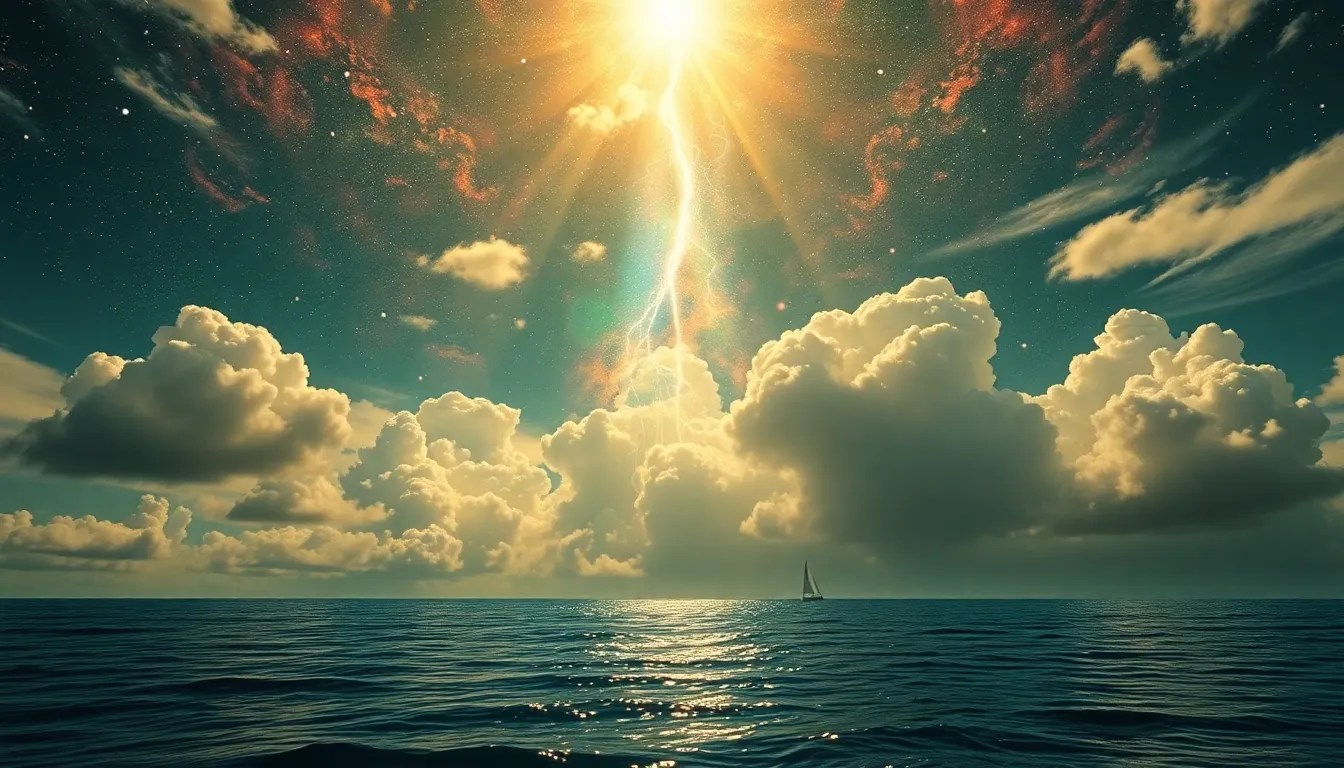
The Cosmic Connection: How Polynesian Myths Bridge Earth and Sky
I. Introduction
Mythology holds a significant place in Polynesian culture, serving as a vital framework through which the people understand their world. These myths encapsulate the values, beliefs, and histories of various Polynesian communities, offering insights into their relationship with nature and the cosmos. This article focuses on the profound connection between the earth and sky as depicted in Polynesian mythology, exploring how celestial and terrestrial elements intertwine to shape cultural narratives and practices.
II. The Role of the Cosmos in Polynesian Culture
Celestial bodies such as stars, the sun, and the moon play a crucial role in Polynesian culture, especially in navigation and daily life. Polynesian voyagers relied heavily on their knowledge of the stars to travel across vast ocean distances. The movement of heavenly bodies provided guidance for navigation, ensuring safe passage between islands.
Furthermore, the cosmos influences agricultural practices and seasonal cycles. For instance:
- Planting and Harvesting: Many Polynesian communities timed their agricultural activities according to lunar phases and stellar positions.
- Fishing: Certain celestial events dictated the best times for fishing, with specific stars signaling optimal conditions.
Thus, the cosmos is not merely a backdrop to human activities but an integral component of the cultural and practical aspects of life in Polynesia.
III. Key Deities and Their Cosmic Associations
Polynesian mythology features a rich pantheon of deities that embody the connection between the sky and the earth. Among the most significant are:
- Tangaroa: The God of the Sea, Tangaroa is revered for his dominion over oceanic waters and marine life. His connections to the sky are illustrated through the waves that mirror the heavens.
- Rangi: Known as the Sky Father, Rangi represents the vastness of the heavens. He is often depicted in stories as being in eternal embrace with his wife, Papa, the Earth Mother.
- Papa: The Earth Mother, Papa embodies the land and fertility. Her interactions with Rangi symbolize the nurturing aspects of earth and sky.
The relationships among these deities are complex and often involve themes of separation, conflict, and harmony, reflecting the broader cosmic balance that governs the natural world.
IV. Creation Myths: Earth and Sky Origins
Across various Polynesian islands, diverse creation stories illustrate the origins of the earth and sky. Common themes emerge in these narratives, particularly the ideas of separation and union:
- In many traditions, Rangi and Papa were once locked in a close embrace, creating a dark and confined world.
- Their children, yearning for light and space, devised a plan to separate them, allowing light to enter the world.
- This separation not only birthed the physical realm but also established the dynamic relationship between the heavens and the earth.
These myths serve as metaphors for existence, illustrating the interdependence of land and sky while providing a narrative foundation for understanding the world.
V. Mythical Creatures and Their Cosmic Significance
Mythical creatures in Polynesian mythology, such as the demigod Māui, embody significant celestial connections. Māui is known for his extraordinary feats, including:
- Fishing up the Hawaiian Islands from the sea and capturing the sun to lengthen the day.
- His adventures often explain natural phenomena, such as the creation of the stars and the moon.
These stories not only entertain but also serve educational purposes, helping to explain the universe’s workings and the natural world through the lens of myth.
VI. Rituals and Practices Linking Earth and Sky
Traditional rituals in Polynesian culture often celebrate the connection between the earth and sky. These ceremonies are deeply rooted in the community’s agricultural, fishing, and navigational practices:
- Agricultural Ceremonies: Rituals performed at planting and harvest times are aimed at honoring the earth and asking for blessings from the sky.
- Fishing Practices: Certain fishing rituals involve invoking the blessings of Tangaroa, ensuring a bountiful catch while respecting marine resources.
- Navigational Rites: Before embarking on ocean voyages, navigators would perform ceremonies to seek guidance from celestial bodies.
These practices reinforce the interconnectedness of the Polynesian people with both their environment and the cosmos, fostering a sense of unity with the world around them.
VII. Modern Interpretations and Cultural Revival
In contemporary times, Polynesian communities are experiencing a revival of interest in their mythology, reinterpreting these ancient stories to resonate with modern audiences. This cultural resurgence emphasizes:
- Environmental Stewardship: Myths are being utilized to promote sustainable practices and respect for nature, drawing parallels between traditional beliefs and contemporary environmental issues.
- Cultural Identity: Reconnecting with ancestral myths fosters a sense of pride and identity among Polynesian peoples, reinforcing their cultural heritage in a rapidly changing world.
This revival highlights the enduring relevance of Polynesian mythology in addressing contemporary challenges and preserving cultural narratives.
VIII. Conclusion
Understanding the cosmic connection in Polynesian mythology is essential for appreciating the richness of its cultural heritage. The interplay between earth and sky not only shapes the myths themselves but also informs the daily lives of Polynesian people. As we explore these myths, we invite further inquiry into their meanings and relevance in our modern context, recognizing that they continue to inspire and guide future generations.


