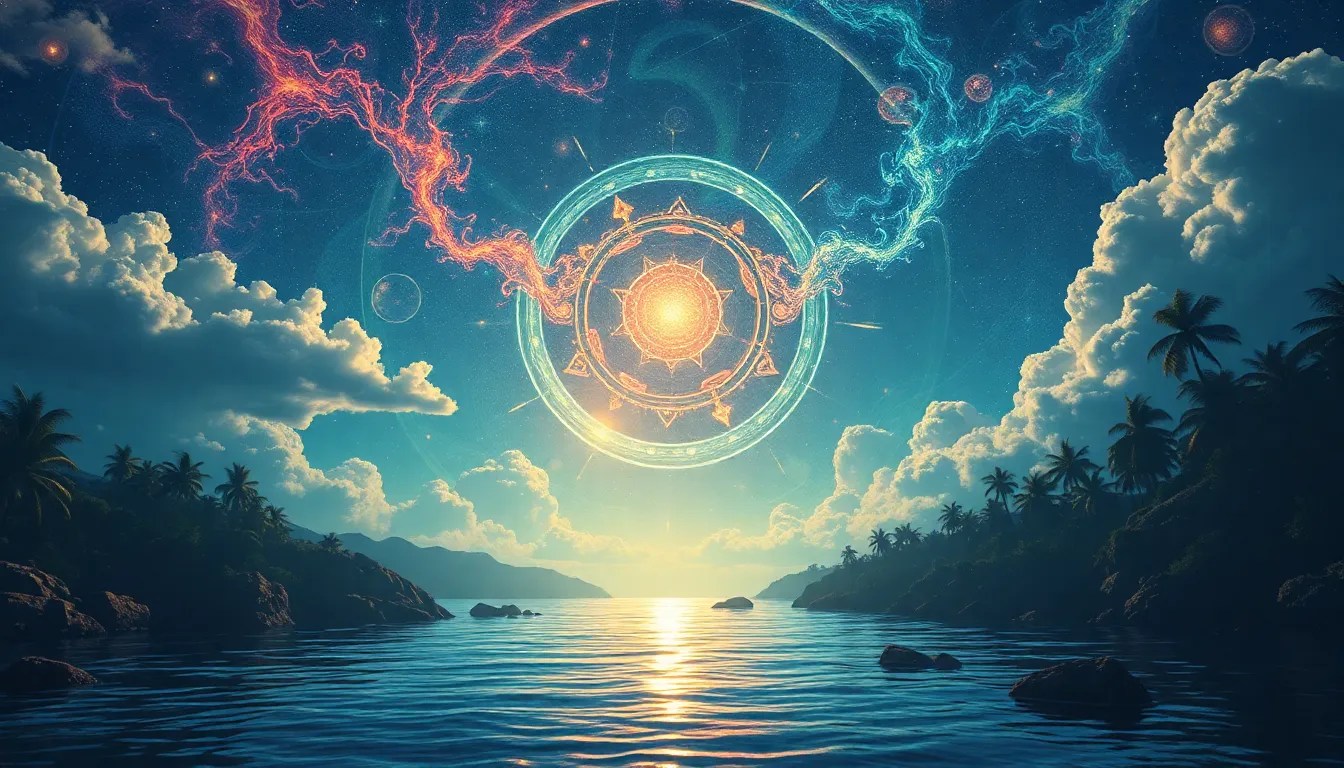
The Cosmic Connection: How Polynesian Myths Influence Environmental Stewardship
I. Introduction
Polynesian mythology is a rich tapestry of stories that have been passed down through generations, encapsulating the beliefs, values, and experiences of the Polynesian people. These myths not only provide insight into the creation of the world and the nature of existence but also hold significant cultural and spiritual relevance. They reflect a deep understanding of the interconnectedness between humans, nature, and the cosmos.
In recent years, there has been a growing recognition of the relationship between mythology and environmental stewardship. Polynesian myths often emphasize the importance of respecting and caring for the natural world, offering guidance on sustainable practices that are crucial in today’s context of environmental degradation. This article explores how these ancient stories can inform and inspire contemporary environmental practices, fostering a sense of responsibility towards the land and sea.
II. The Foundations of Polynesian Cosmology
Polynesian cosmology is centered around key deities and creation myths that illustrate the origins of the world and the relationships between its inhabitants. The following aspects are essential in understanding this cosmology:
- Key Deities: Important figures such as Tangaroa, the god of the sea, and Māui, the trickster demigod, play pivotal roles in creation myths and embody the natural elements.
- Creation Myths: Stories of how the islands were formed and how life was created highlight the sacredness of nature and the divine connection between humans and the environment.
- Interconnectedness: Polynesian beliefs emphasize that all life is interconnected; humans, animals, plants, and celestial bodies form a unified existence.
Additionally, ancestral spirits are viewed as guardians of the land and sea, guiding and influencing the practices of their descendants. This spiritual connection to the environment reinforces the importance of stewardship and the sustainable use of natural resources.
III. Myths as Moral Frameworks for Stewardship
Many Polynesian myths serve as moral frameworks that emphasize respect for the environment. One notable example is the story of Māui, who is celebrated for his adventures that often involve the natural world. Key lessons from these narratives include:
- Respect for Nature: Myths illustrate the consequences of disrespecting the environment, urging communities to live in harmony with nature.
- Sustainability: Traditional narratives often contain implicit lessons about the sustainable use of resources, highlighting the need to balance human needs with ecological health.
- Kuleana: This Hawaiian concept embodies the idea of responsibility or ownership, emphasizing the duty of individuals to care for the land and sea.
IV. The Influence of Mythology on Traditional Ecological Knowledge
The stories and teachings found within Polynesian mythology significantly inform traditional ecological knowledge. This knowledge encompasses practices that have evolved over centuries, shaped by the lessons embedded in myths:
- Land Use: Myths guide sustainable agricultural practices, fishing methods, and resource management strategies that maintain ecological balance.
- Storytelling: Oral traditions serve as vessels for passing down ecological wisdom, ensuring that important knowledge is preserved across generations.
- Examples of Practices: Techniques such as fishpond management and agroforestry can be traced back to mythological teachings, demonstrating their relevance in contemporary environmental practices.
V. Modern Reinterpretations of Polynesian Myths
Contemporary Polynesian communities are actively revitalizing their myths to address current environmental challenges. This movement includes:
- Environmental Activism: Local leaders and organizations are drawing on mythological narratives to inspire activism and promote ecological sustainability.
- Case Studies: Initiatives such as reforestation programs and marine conservation efforts often incorporate mythological themes to engage the community and raise awareness.
- Art and Media: Artists and filmmakers are using their platforms to disseminate mythological messages, fostering a greater appreciation for traditional knowledge and its relevance to modern issues.
VI. Challenges to Environmental Stewardship in the Modern Era
Despite the richness of Polynesian mythology and its teachings, several challenges hinder effective environmental stewardship today:
- Colonization and Globalization: Historical events have disrupted traditional practices and caused a disconnection from cultural heritage, making it difficult for communities to fully embrace their mythological teachings.
- Environmental Degradation: Modern development pressures and ecological crises often clash with traditional values, leading to unsustainable practices that undermine mythological principles.
- Cultural Preservation: Protecting and revitalizing traditional knowledge systems is crucial in combating ecological crises and ensuring the survival of cultural identity.
VII. Bridging the Gap: Integrating Mythology with Modern Conservation Efforts
Integrating Polynesian mythology with modern conservation efforts presents an opportunity for innovative approaches to environmental stewardship:
- Collaborative Efforts: Partnerships between indigenous practices and scientific research can create holistic approaches to resource management.
- Educational Programs: Initiatives that incorporate mythology into environmental education encourage younger generations to appreciate and learn from their cultural heritage.
- Global Inspiration: The principles derived from Polynesian myths can inspire broader environmental movements, promoting a global understanding of interconnectedness and stewardship.
VIII. Conclusion
Polynesian myths offer profound insights into the relationship between humans and the environment, serving as guiding frameworks for stewardship. By recognizing the significance of these ancient narratives, we can better appreciate traditional knowledge systems and their relevance in contemporary environmental practices.
As we face pressing ecological challenges, it is essential to engage with and learn from Polynesian mythology. By embracing the wisdom of the past, we can cultivate a more sustainable future, honoring the land and sea that sustain us all.


