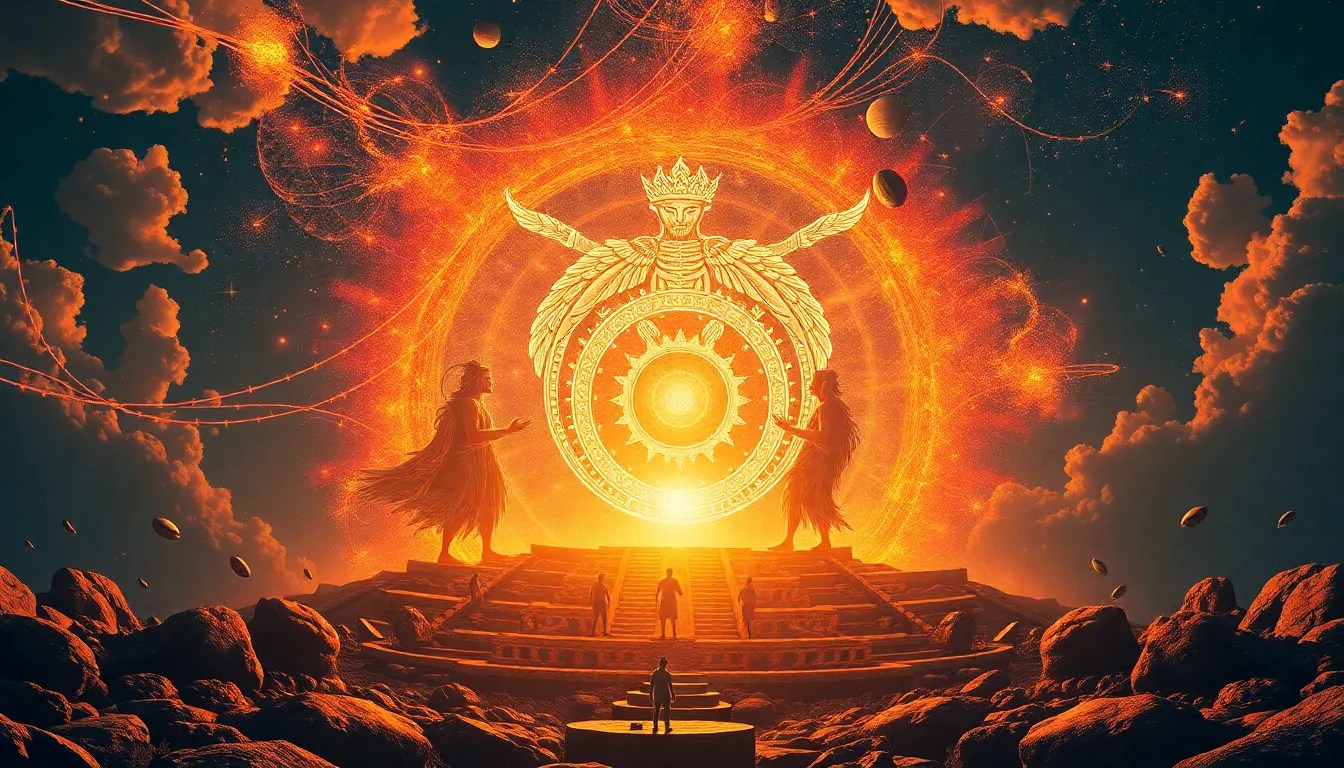
The Cosmic Dance of Creation: Polynesian Myths Explaining the Universe
I. Introduction to Polynesian Cosmology
Polynesian mythology is a rich tapestry of stories and beliefs that have shaped the understanding of the universe for various island cultures across the Pacific. It offers insight into the spiritual and cultural identity of the Polynesian people, revealing their relationship with nature, the cosmos, and the divine. The creation myths of these cultures often reflect their environment and the experiences of their ancestors, serving both as a guide to understanding their world and a means of preserving their heritage.
In many Polynesian cultures, the concept of creation is not merely a single event but a continuous process involving various deities and natural elements. Each island group has its own unique narratives that explore the origins of the world and humanity, often emphasizing the interconnectedness of all living things.
II. The Role of Deities in Creation
Central to Polynesian cosmology are the deities who play crucial roles in the creation of the universe. Among these, three key figures stand out:
- Tangaroa: The god of the sea and often associated with fertility, Tangaroa is a fundamental figure in many Polynesian creation stories. He is believed to have created the oceans and all forms of life within them.
- Tane: The god of forests and birds, Tane is credited with creating the first woman, Hine, from the earth. He represents growth and life, emphasizing the importance of nature in Polynesian beliefs.
- Rangi: The sky god, Rangi (or Ranginui), is often depicted as the father of all gods and humans. His separation from Papa, the earth goddess, is a pivotal event in many creation myths.
The interactions between these deities are often depicted as dynamic and complex, with their relationships reflecting the balance of nature. For example, the struggle between Rangi and Papa symbolizes the tension between the sky and the earth, which is essential for life.
III. The Creation of the World: Legends and Narratives
One of the most famous creation myths in Polynesian culture is the narrative of the separation of Rangi and Papa. According to this legend:
- In the beginning, Rangi and Papa were locked in a tight embrace, enveloping the world in darkness.
- Their children, the gods, grew restless in the darkness and decided to separate their parents to let in light.
- Tane, the most courageous, pushed Rangi up into the sky, creating space for the world to flourish.
- As a result, the land emerged, and life began to thrive under the light of the sun.
This myth illustrates the importance of light and life in Polynesian cosmology. Additionally, different islands have their own variations of creation stories that include unique elements and characters. For instance:
- In Hawaiian mythology, the goddess Pele is a central figure in the creation of the Hawaiian Islands through her volcanic activity.
- In Māori mythology, the story of Ranginui and Papatūānuku parallels the Rangi-Papa narrative, emphasizing the relationship between sky and earth.
IV. The Cosmic Dance: Symbolism and Themes
The concept of “dance” is deeply embedded in Polynesian culture, often symbolizing the harmonious interactions between deities, nature, and humans. This “cosmic dance” reflects the idea that creation is a dynamic process, filled with movement and energy.
Key themes in Polynesian creation myths include:
- Interconnectedness: The belief that all elements of the universe are linked and affect each other.
- Balance: The necessity of maintaining harmony between chaos and order, often depicted through the relationships between deities.
- Transformation: The idea that creation is an ongoing process, with continual evolution and change.
V. Celestial Bodies and Their Significance
Celestial bodies play a vital role in Polynesian mythology, serving as markers for navigation, seasons, and spiritual guidance. Stars, moons, and planets are often woven into creation stories, representing various deities or aspects of life.
- The Southern Cross: A key navigational star for Polynesians, symbolizing guidance and direction in life.
- Hina: The goddess associated with the moon, often seen as a source of light and fertility.
The movements of these celestial bodies are believed to influence the rhythms of life on earth, reinforcing the connection between the cosmos and the natural world.
VI. Nature and the Universe: A Sacred Connection
In Polynesian culture, nature is not just a backdrop but an integral part of their creation myths. The environment shapes the narratives and reflects the spirituality of the people. Mountains, rivers, and forests are often personified and revered as sacred entities.
This sacred connection has significant implications for Polynesian identity and spirituality:
- Environmental Stewardship: The belief that humans are caretakers of the land, responsible for preserving the balance of nature.
- Cultural Practices: Many rituals and traditions are closely tied to the environment, celebrating the interdependence of life.
VII. Modern Interpretations and Cultural Preservation
Despite the influence of modernization, ancient Polynesian myths remain relevant in contemporary culture. They serve as a source of identity and pride for many Polynesians, emphasizing the importance of their ancestral heritage.
Efforts to preserve and revitalize these myths include:
- Storytelling: Oral traditions continue to be practiced, with elders passing down stories to younger generations.
- Art and Performance: Dance, music, and visual arts often incorporate themes from creation myths, keeping the narratives alive.
VIII. Conclusion: The Enduring Legacy of Polynesian Creation Myths
Understanding Polynesian creation myths is essential for appreciating the depth of their cosmology and cultural identity. These stories not only explain the origins of the universe but also reflect the values and beliefs that continue to shape Polynesian societies.
The enduring legacy of these myths serves as a source of inspiration and education for future generations, reminding us of the profound connections between humanity, nature, and the cosmos.


