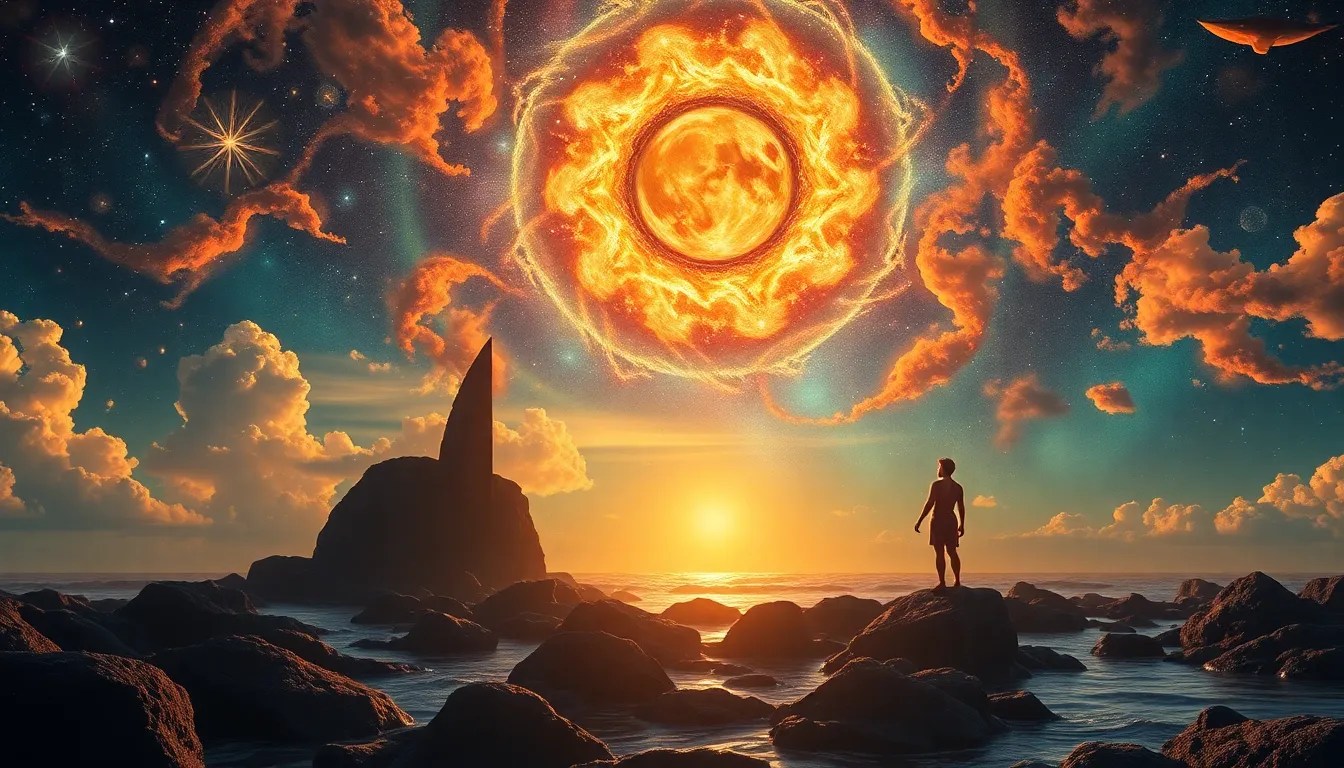
The Cosmic Symphony: Understanding Harmony in Polynesian Cosmology
I. Introduction to Polynesian Cosmology
Polynesian cosmology is a rich tapestry of beliefs and narratives that describe the universe’s structure and the relationships between various elements within it. It is a fundamental aspect of Polynesian culture, shaping worldviews and guiding social practices. The significance of cosmology in Polynesian culture cannot be overstated, as it provides a framework for understanding existence, morality, and community.
At the heart of Polynesian cosmology is the concept of harmony—a state of balance that permeates the universe. This harmony manifests in the relationships between deities, humans, and nature. The purpose of this article is to explore the intricate web of beliefs surrounding harmony in Polynesian cosmology, examining its implications for cultural practices, community life, and the environment.
II. The Role of Deities in Creating Harmony
The Polynesian pantheon is filled with deities that play crucial roles in maintaining cosmic balance. Key figures include:
- Tangaroa: The god of the sea, often associated with the creation of marine life and the balance of oceanic forces.
- Tane: The god of forests and birds, representing growth, fertility, and the natural world.
These deities interact with natural elements to ensure harmony. For instance, Tangaroa’s dominion over the sea reflects the importance of water as a life-giving force, while Tane’s stewardship over the forests symbolizes the interconnectedness of life forms on land.
Case studies of Tangaroa and Tane illustrate how their stories emphasize the need for balance in nature. In many myths, their conflicts and resolutions underscore the importance of respecting natural resources and maintaining equilibrium between different elements of the cosmos.
III. The Concept of Mana and Its Impact on Harmony
Mana is a central concept in Polynesian belief systems, referring to a spiritual force or power that resides in people, objects, and the environment. It is believed that mana can be cultivated and shared, influencing one’s connection to the cosmos and the community.
The importance of mana in promoting harmony is evident in various aspects of life:
- Individual empowerment: Individuals with high mana are seen as leaders, capable of guiding their communities towards balance.
- Community relations: The sharing of mana fosters unity and collaboration among community members.
- Respect for nature: Understanding mana encourages reverence for the natural world, promoting sustainable practices.
IV. The Interconnection of Nature and Spirituality
In Polynesian cosmology, land, sea, and sky are considered sacred realms that reflect the cosmic order. This sacredness is evident in the way natural phenomena are interpreted as manifestations of divine will. For example, changes in the weather, the behavior of animals, and the movement of celestial bodies are all seen as interconnected and meaningful.
Rituals and practices that honor this connection often include:
- Hula and dance: Celebrations that express gratitude to the gods and the natural world.
- Offerings: Gifts made to deities to seek favor and maintain balance.
- Storytelling: Oral traditions that pass down knowledge and reinforce the ties between the spiritual and physical realms.
V. Cosmic Harmony in Polynesian Navigation and Exploration
Polynesian navigators have long relied on their understanding of the stars and celestial navigation to explore the vast Pacific Ocean. The significance of stars in navigation is not just practical; it is deeply rooted in the belief that the cosmos is a harmonious system where each star has a role to play.
The relationship between navigation and cosmic harmony is illustrated through the stories of ancient voyagers who crossed thousands of miles of ocean, guided by their knowledge of celestial patterns. These journeys symbolize the pursuit of balance, as navigators sought to connect with their ancestral lands while respecting the ocean’s power.
VI. The Legends and Myths Illustrating Cosmic Harmony
Polynesian myths are rich with narratives that embody the theme of harmony. Key myths often explore the creation of the world, the relationships between gods, and the importance of balance in nature.
One prominent myth is “The Creation of the World,” which tells the story of how the gods collaborated to bring forth land, sea, and life. This myth emphasizes the necessity of cooperation and respect among divine beings to achieve a harmonious existence.
Lessons learned from these myths include:
- The importance of coexistence among different elements of the cosmos.
- The understanding that disharmony can lead to chaos and suffering.
- The value of storytelling in preserving cultural beliefs and teachings.
VII. Modern Interpretations and Relevance of Cosmic Harmony
Contemporary Polynesian cultures continue to embrace the principles of cosmic harmony, adapting ancient beliefs to modern contexts. This is evident in:
- Environmental practices: Many communities prioritize sustainability, drawing on traditional knowledge to protect their natural resources.
- Cultural revival: Efforts to preserve language, art, and rituals that reflect cosmological perspectives are gaining momentum.
- Education and storytelling: The role of storytelling remains vital in passing down knowledge and fostering respect for the environment.
VIII. Conclusion: The Lasting Legacy of Harmony in Polynesian Cosmology
In summary, the exploration of harmony in Polynesian cosmology reveals a profound understanding of the interconnectedness of all things. Key points discussed include the roles of deities, the concept of mana, the sacredness of nature, and the importance of navigation and storytelling.
In today’s world, where environmental and social challenges abound, the principles of harmony found in Polynesian cosmology offer valuable insights. By appreciating and respecting these perspectives, we can foster a greater sense of balance in our own lives and communities.


