The Dance of the Elements: Understanding Polynesian Creation Myths
I. Introduction
Polynesian mythology is a rich tapestry of stories, beliefs, and traditions that illuminate the cultural heritage of the islands of the Pacific. It encompasses a wide range of narratives that explain the origins of the world, the role of humans, and the relationship between the divine and the natural. Central to these myths are creation stories that not only serve to explain the cosmos but also provide a framework for understanding life and existence in Polynesian cultures.
Creation myths in Polynesian culture are vital as they articulate the spiritual beliefs, values, and environmental knowledge of the Polynesian people. These myths are steeped in the elemental forces of nature—Earth, Water, Fire, and Air—which are often personified by deities that govern these realms. Understanding these elemental forces is crucial for grasping the complexity of Polynesian creation narratives.
II. The Elements in Polynesian Cosmology
In Polynesian cosmology, the four primary elements—Earth, Water, Fire, and Air—are not just physical components of the world but also represent deeper spiritual and cultural significance.
- Earth: Often associated with stability and nourishment, the earth is seen as the foundation of life.
- Water: Representing fluidity and change, water is a source of life and a pathway for travel and trade.
- Fire: Symbolizing transformation and power, fire is connected to creativity, destruction, and the volcanic activity that shapes many islands.
- Air: As the breath of life, air signifies communication, freedom, and the connection between the heavens and the earth.
The interconnectedness of these elements is evident in creation narratives where they interact dynamically to bring forth life. For example, the combination of earth and water creates fertile land, while fire can be seen as a catalyst for transformation and renewal. Each element is imbued with cultural symbolism that reflects the values and beliefs of Polynesian societies.
III. Major Creation Myths of the Polynesian Islands
Across the Polynesian Islands, there are numerous creation myths, each with unique elements yet sharing common themes. Here are brief overviews from key cultures:
- Maori: In Maori mythology, the creation story begins with the separation of Ranginui (Sky Father) and Papatuanuku (Earth Mother), allowing light to enter the world and giving birth to various gods and life forms.
- Hawaiian: The Hawaiian creation myth speaks of the goddess Haumea, who gives birth to the islands and is connected to the elemental forces, particularly in her role as a goddess of fertility and childbirth.
- Tahitian: Tahitian myths feature the god Tane, who is responsible for creating the first humans and bringing life to the earth by separating his parents, the earth and sky.
These stories often highlight key figures and deities who play significant roles in the creation process, showcasing the variations and shared themes across different Polynesian cultures.
IV. The Role of Deities in Elemental Creation
Deities in Polynesian mythology are integral to the narratives of creation, often embodying the elements themselves:
1. Earth: Papatuanuku (Earth Mother)
Papatuanuku is the primordial mother who nurtures all life. She is revered as the source of fertility and sustenance.
2. Water: Kanaloa (God of the Ocean)
Kanaloa represents the vastness and mystery of the ocean, governing all things related to water, including life and travel.
3. Fire: Pele (Goddess of Volcanoes)
Pele is known for her fiery temperament and is associated with volcanic activity, symbolizing both destruction and renewal.
4. Air: Atea or Ranginui (Sky Father)
Ranginui embodies the sky, representing the heavens and the connection to the spiritual realm.
These deities influence the creation process through their actions and interactions, reflecting the balance and harmony necessary for life to thrive.
V. The Symbolism of the Dance of the Elements
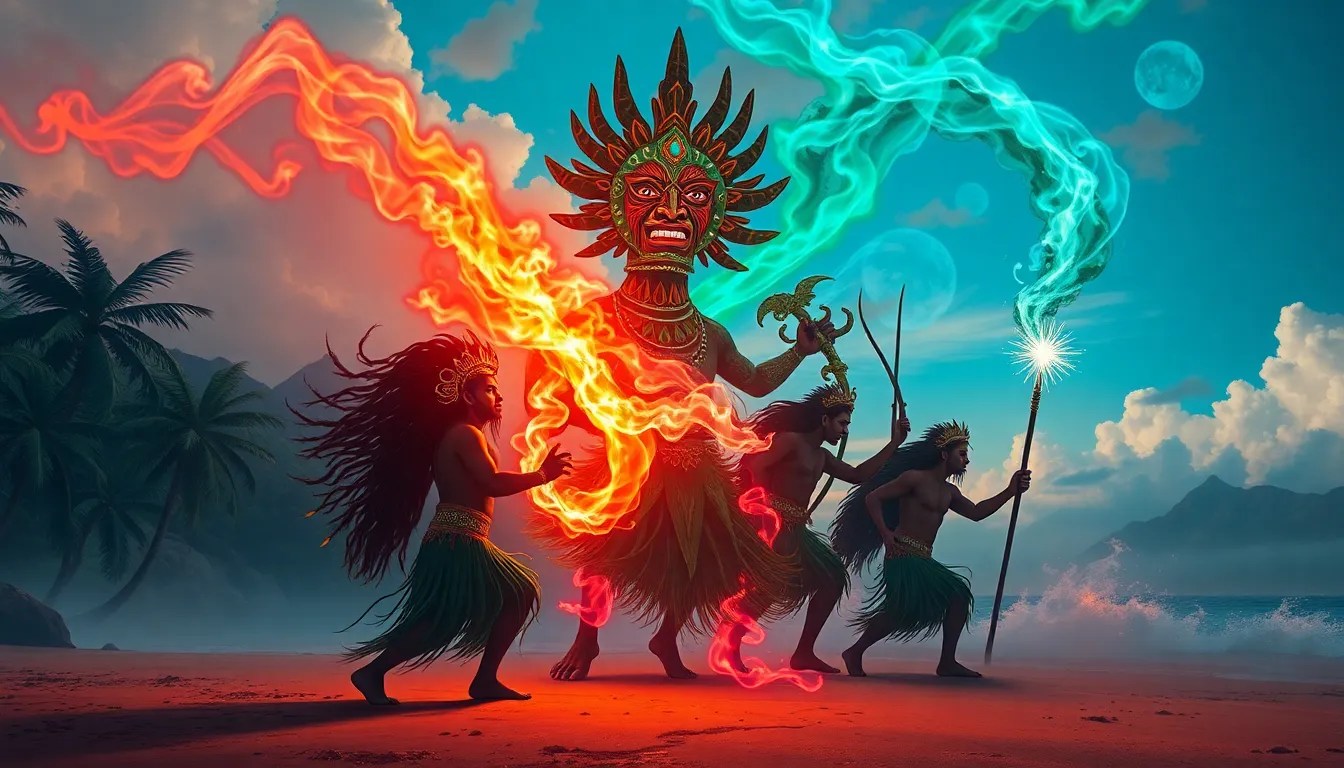
The concept of a “dance” among the elements serves as a powerful metaphor for creation in Polynesian mythology. This dance illustrates the dynamic relationships between the elements, emphasizing the balance required for the universe to exist.
- Balance: The harmony among earth, water, fire, and air is essential for the stability of the cosmos.
- Interaction: The elements are in constant interaction, leading to cycles of creation and destruction.
- Conflict: At times, the elements may clash, symbolizing the struggles inherent in existence.
This metaphorical dance reflects the Polynesian understanding of life as a constant interplay of forces, where harmony and conflict coexist.
VI. The Impact of Creation Myths on Polynesian Identity
Creation myths play a pivotal role in shaping Polynesian cultural identity. They influence various aspects of life, including:
- Cultural beliefs: These myths instill a sense of belonging and understanding of the world.
- Art, music, and dance: Creation narratives inspire artistic expressions, from traditional hula in Hawaii to carving and weaving in Maori culture.
- Storytelling: Oral traditions maintain cultural heritage, allowing stories to be passed down through generations.
By engaging with these myths, Polynesians reinforce their identity and connection to their ancestors and the natural world.
VII. Modern Interpretations and Adaptations
In contemporary times, Polynesian artists and storytellers are reinterpreting creation myths to reflect modern realities. This process includes:
- Artistic reinterpretation: Modern artists incorporate traditional motifs into contemporary art forms.
- Globalization influence: The exchange of ideas has led to new narratives that blend traditional and contemporary themes.
- Cultural revitalization: Efforts are underway to preserve and promote these myths in the face of changing societal values.
Through these adaptations, the essence of Polynesian creation myths continues to resonate, ensuring their relevance in today’s world.
VIII. Conclusion
Understanding Polynesian creation myths is crucial for appreciating the depth of Polynesian culture and identity. These stories, rooted in elemental forces, reveal the profound connection between people, nature, and the cosmos. The dance of the elements remains a powerful symbol of creation, reflecting the ongoing relationship between the sacred and the everyday in modern Polynesian life.
As we explore these rich narratives, we are invited to appreciate the beauty and complexity of Polynesian mythology and its enduring legacy in shaping cultural identity.


