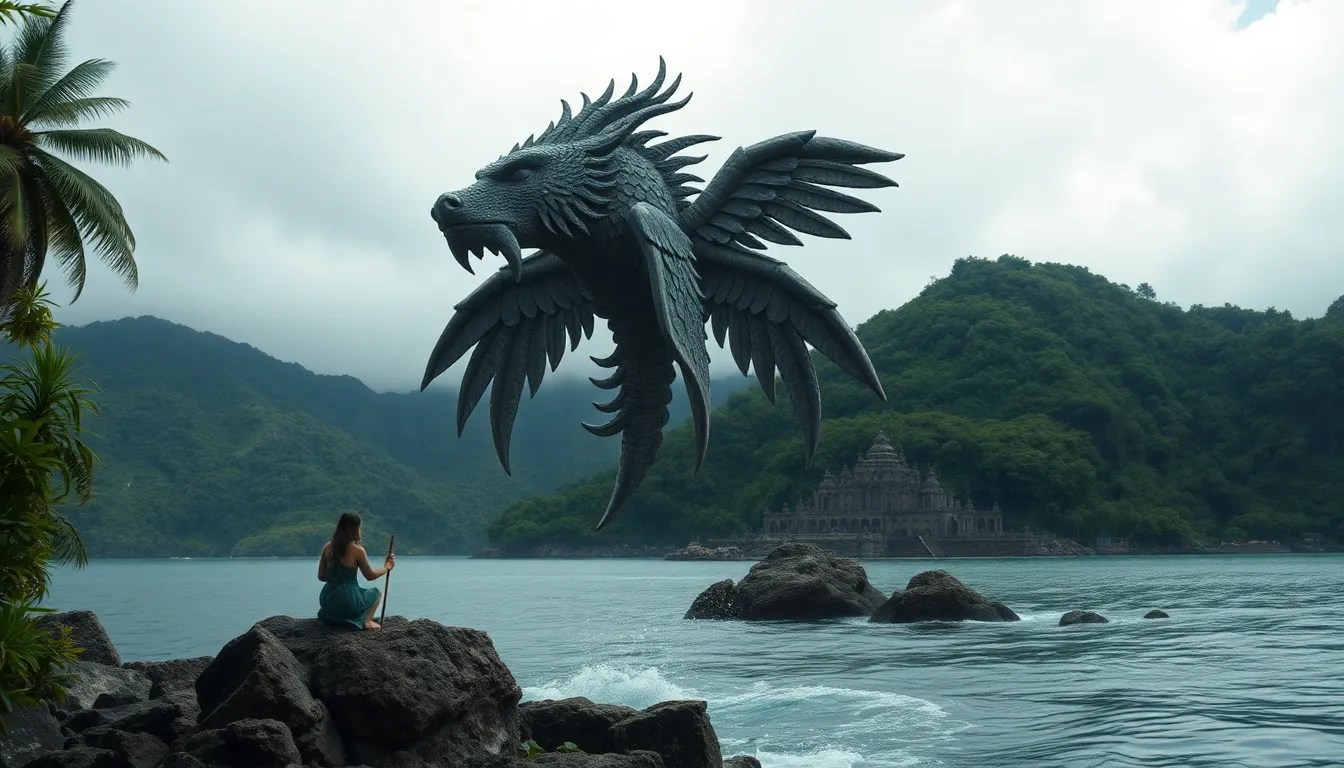
The Mythical Origins of Polynesian Language and Communication
I. Introduction
Polynesian mythology is a rich tapestry woven from the beliefs, stories, and traditions of the many islands scattered across the Pacific Ocean. This mythology holds great significance for the Polynesian people, providing a sense of identity, cultural heritage, and a framework for understanding the world.
Language and communication are vital components of Polynesian culture, serving not only as tools for daily interaction but also as vessels for storytelling, tradition, and spirituality. The oral traditions that have been passed down through generations are integral to the preservation of these cultures.
This article aims to explore the mythical origins of language in Polynesian tradition, examining how creation myths, deities, nature, and community have shaped the linguistic landscape of the Polynesian Triangle.
II. The Creation of Language in Polynesian Myths
Creation myths across various Polynesian cultures often include narratives about the origins of language. These myths reflect the deep connections between the divine and human communication.
- Tāne: In many traditions, Tāne is revered as the god of forests and birds, who also played a significant role in the creation of humanity. He is often credited with the gift of language, allowing humans to communicate with each other and the gods.
- Rongo: Associated with peace and agriculture, Rongo is another key deity linked to language, particularly in relation to the spoken word and the sharing of knowledge.
The significance of oral tradition in preserving these myths cannot be overstated. Oral storytelling has been the primary means of transmitting cultural knowledge, ensuring that the myths surrounding the origins of language continue to resonate in contemporary society.
III. The Role of Gods and Spirits in Communication
In Polynesian belief systems, deities often serve as messengers between the divine and humanity. They embody the essence of communication and influence the way language is perceived and utilized.
- Deities as Messengers: Gods like Tāwhirimātea, the god of wind and storms, are believed to convey messages through natural phenomena, illustrating how communication transcends human language.
- The Concept of Mana: Mana, a spiritual force that resides in people, objects, and the environment, is intricately connected to communication. Words spoken with mana carry weight and significance, empowering the speaker and impacting the listener.
Speech and song hold spiritual significance in rituals, often invoking the presence of deities and ancestors, reinforcing the belief that communication is a sacred act.
IV. The Influence of Nature on Language Development
The natural environment profoundly shapes Polynesian languages, with elements of nature often serving as symbols within the linguistic framework.
- Natural Elements as Symbols: Many Polynesian languages incorporate words that reflect the flora and fauna unique to their islands, reinforcing the connection between language and the environment.
- Interconnectedness of Environment and Linguistic Expression: The geography and ecology of the islands influence not only vocabulary but also idiomatic expressions that capture the essence of life in harmony with nature.
- Mythical Creatures and Language: Creatures such as the nightingale are often featured in myths, symbolizing beauty and inspiration, and have contributed to the lexicon surrounding love and artistry.
V. The Transmission of Language through Generations
Storytelling is a cornerstone of language preservation in Polynesian cultures, with elders playing a pivotal role in passing down knowledge and language to younger generations.
- Storytelling as Language Preservation: Oral narratives not only entertain but also educate, allowing the community to retain their history and culture.
- The Role of Elders: Elders are considered the guardians of knowledge and language, often teaching the young through stories, songs, and proverbs.
- Myths about Words: Some myths explain the origins of specific words or phrases, enriching the language with cultural significance and historical context.
VI. Linguistic Diversity Across the Polynesian Triangle
The Polynesian Triangle, encompassing Hawaii, New Zealand, and Easter Island, showcases a remarkable diversity of languages and dialects.
- Overview of Languages: Languages such as Hawaiian, Māori, and Rarotongan each possess unique features yet share common roots, reflecting the interconnectedness of the Polynesian peoples.
- Mythical Explanations for Divergence: Myths often describe how language evolved differently in various islands due to the actions of gods or significant historical events.
- Impact of Migration and Trade: The movement of peoples across the Pacific influenced language evolution, with trade routes facilitating the exchange of words and concepts.
VII. Contemporary Reflections of Myth in Modern Communication
In the digital age, there has been a resurgence of interest in Polynesian languages, with efforts to revive and promote these languages through various platforms.
- Revival of Languages: Communities are harnessing technology to teach and promote Polynesian languages, ensuring that the linguistic heritage is preserved for future generations.
- Influence of Mythology: Modern expressions in art, literature, and media often draw inspiration from Polynesian mythology, keeping the myths alive in contemporary culture.
- Community Efforts: Local initiatives focus on teaching traditional languages and stories, fostering a sense of pride and connection to heritage.
VIII. Conclusion
The mythical origins of language in Polynesian culture reveal a profound relationship between communication, spirituality, and the environment. From the creation myths that explain the gift of language to the roles of deities and the influence of nature, these narratives continue to shape the way language is understood and utilized in Polynesian society.
As these myths remain relevant in contemporary society, they encourage a deeper appreciation for the rich linguistic heritage of the Polynesian people. The exploration of Polynesian mythology and language invites further inquiry and understanding of these vibrant cultures, ensuring that their stories and languages endure for generations to come.


