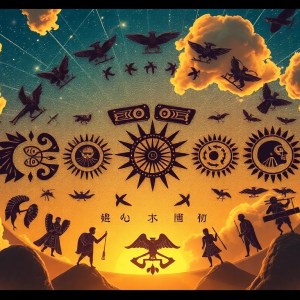
The Stars as Teachers: Lessons from Polynesian Cosmology
I. Introduction to Polynesian Cosmology
Polynesian mythology is a rich tapestry of stories, beliefs, and practices that have been passed down through generations in the vast Pacific Islands. It reflects the cultural identity and values of the Polynesian people, encompassing their understanding of the world and their place within it.
Central to this cosmology is the night sky, which has served as a vital tool for navigation and a source of cultural significance. The stars have been revered not only as celestial bodies but also as teachers that impart wisdom about nature, relationships, and the cyclical patterns of life.
This article aims to explore the lessons derived from the stars in Polynesian cosmology, highlighting their importance in navigation, mythology, ecology, and cultural practices.
II. The Celestial Landscape of Polynesia
The night sky over Polynesia is adorned with numerous constellations, each carrying unique meanings and stories. The Polynesians were adept at reading these celestial patterns, which guided them in their voyages across the vast ocean.
A. Key constellations and their meanings
- Te Punga: The anchor stone, representing the navigational base for voyaging.
- Māui: A constellation often associated with the demigod Māui, symbolizing cunning and resourcefulness.
- Hokuleʻa: The star Arcturus, known as the “Star of Gladness,” crucial for navigation.
B. The navigation system of the Polynesians
Polynesian navigation was an intricate system that relied on a deep understanding of the stars, ocean currents, and winds. Navigators would memorize the positions of stars and their seasonal movements to chart their courses across the Pacific.
C. The importance of the night sky in daily life and rituals
The night sky was not merely a map for navigation but also a calendar, guiding agricultural practices and cultural rituals. The appearance of certain stars marked significant events in the agricultural cycle, such as planting and harvesting.
III. Mythological Figures and Celestial Bodies
Polynesian mythology is filled with deities and legends connected to the stars and celestial events. These narratives provide insight into the relationship between the cosmos and human experience.
A. Major deities associated with the stars and celestial events
- Rangi and Papa: The sky father and earth mother, whose separation created the world, embodying the duality of existence.
- Tāwhirimātea: The god of winds and storms, representing the chaotic and unpredictable nature of the sky.
B. Legends connected to specific constellations
Many constellations are tied to stories that explain natural phenomena or human behavior. For example, the story of Māui pulling up the islands is often illustrated through the stars, emphasizing his role as a creator and trickster.
C. The relationship between mythology and astronomy
In Polynesian culture, mythology and astronomy are intertwined, with celestial events often interpreted as manifestations of divine will. This relationship deepens the understanding of the universe and humanity’s place within it.
IV. Stars as Guides for Navigation
Ancient Polynesians were master navigators, using a combination of star positions, ocean swells, and bird behaviors to travel vast distances across the Pacific.
A. Techniques used by ancient Polynesians for celestial navigation
- Using the rising and setting positions of stars to determine direction.
- Observing the moon phases to plan voyages during optimal conditions.
- Recognizing patterns in the constellations to navigate specific routes.
B. The significance of specific stars in ocean voyages
Stars such as Hokuleʻa and others served as critical reference points, allowing navigators to maintain their bearings even in the vastness of the ocean.
C. Modern implications of traditional navigation methods
Today, the revival of traditional Polynesian navigation practices is seen as a way to honor ancestral knowledge and promote cultural identity, bridging the gap between ancient wisdom and modern technology.
V. Lessons on Nature and Ecology from the Stars
The stars have long been viewed as indicators of natural phenomena, offering valuable lessons about the environment and ecological practices.
A. Understanding seasonal changes through celestial observation
By observing the stars, Polynesians could predict seasonal changes, which were crucial for fishing, planting, and harvesting.
B. The stars as indicators for agricultural practices
- The appearance of certain constellations signaled the best times for planting.
- Celestial events were often linked to specific weather patterns, guiding agricultural decisions.
C. The interconnectedness of cosmology and environmental stewardship
The Polynesian worldview emphasizes the connection between the cosmos, nature, and humanity, fostering a sense of responsibility towards the environment and sustainability.
VI. Cultural Practices and Ceremonies Influenced by the Stars
Celestial events have inspired numerous cultural practices and ceremonies across Polynesian societies, celebrating the relationship between the stars and the people.
A. Festivals and rituals aligned with celestial events
Many festivals are timed with celestial events, such as solstices and equinoxes, which hold significant cultural meaning.
B. The impact of star lore on Polynesian art and storytelling
Star lore has influenced various art forms, from tattooing to carving, serving as a means of cultural expression and storytelling.
C. Contemporary practices that honor ancestral knowledge
Modern Polynesian communities continue to honor their celestial heritage through educational programs and cultural events, ensuring that ancient knowledge remains alive.
VII. The Legacy of Polynesian Star Knowledge
The knowledge of the stars and navigation techniques has been preserved and passed down through generations, forming a crucial part of Polynesian identity.
A. Preservation of traditional navigation techniques
Efforts are underway to teach and practice traditional navigation, ensuring that this invaluable knowledge is not lost to time.
B. Influence on modern Polynesian identity and heritage
The stars serve as a reminder of the rich cultural heritage and the resilience of Polynesian peoples, forming a core part of their contemporary identity.
C. The importance of educating future generations about star lore
Educating younger generations about star lore and navigation techniques is vital for cultural continuity and the appreciation of their ancestors’ wisdom.
VIII. Conclusion: Embracing the Lessons of the Stars
The teachings derived from Polynesian cosmology offer profound insights into navigation, ecology, and cultural identity. By embracing these lessons, modern societies can foster a deeper connection with nature and a greater appreciation for ancestral wisdom.
In today’s world, where technology often disconnects us from the natural environment, the lessons of the stars remind us of the importance of living in harmony with the earth and honoring the knowledge of those who came before us.
As we look to the future, let us integrate these ancient teachings into our lives, celebrating the wisdom of the stars and the rich cultural legacy of Polynesia.